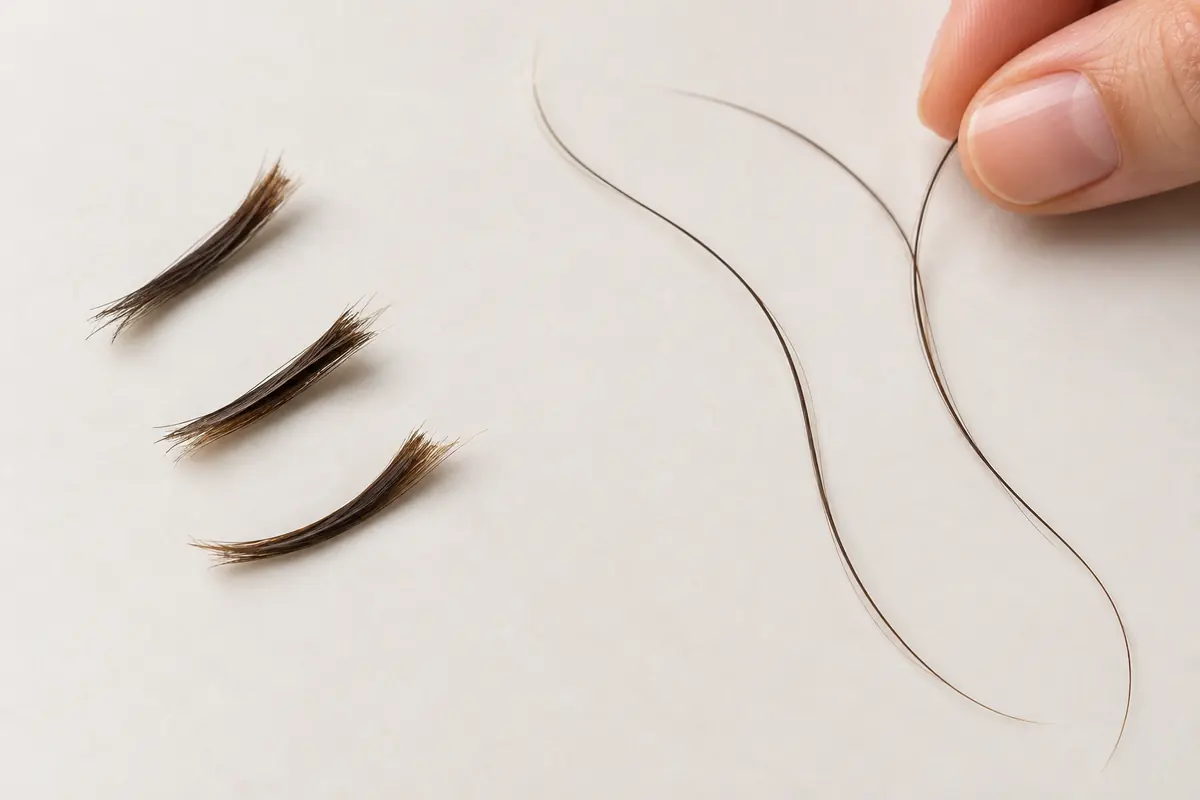
Broken pieces or hairs falling out?
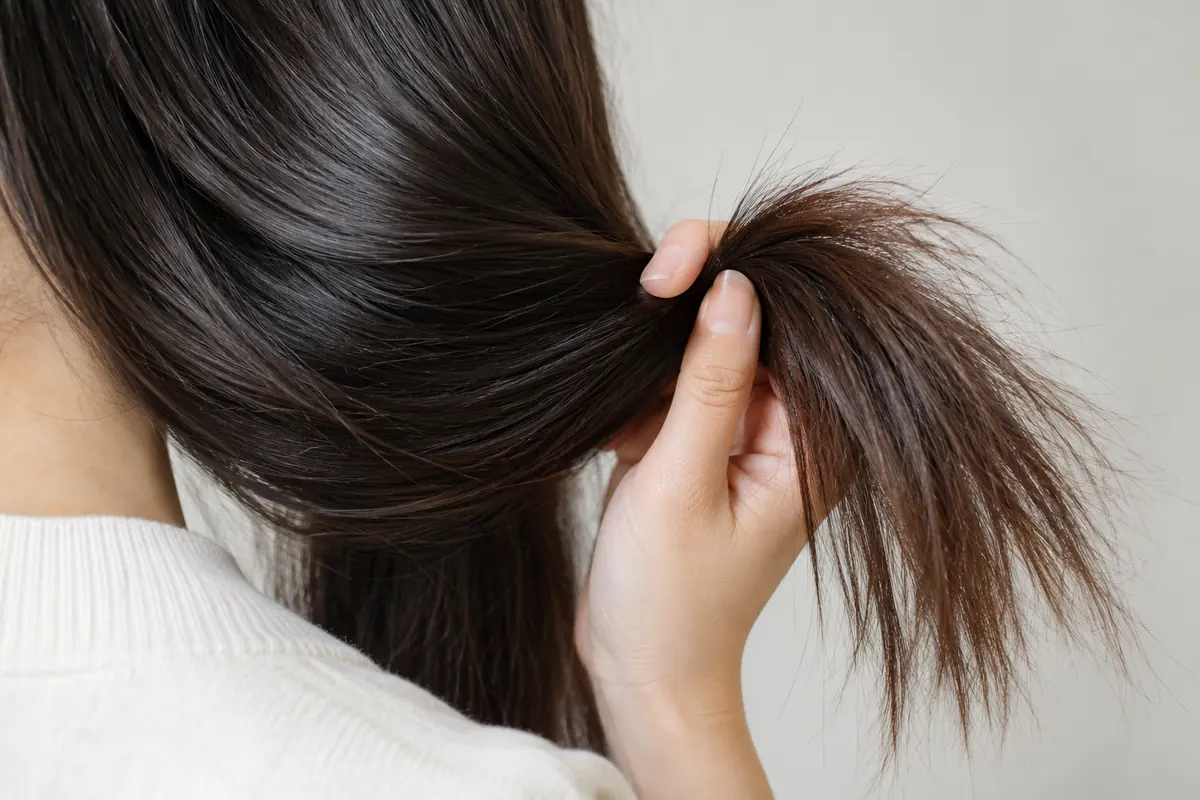
Compare shaft damage with shedding before changing products.
Compare breakage and shedding
 mademoiselle
Compare shaft damage with shedding before changing products.
Compare breakage and sheddingTrim the damaged end and reduce the heat and friction that create new splits.
Build a split-end prevention routinePause further lightening and reduce rough detangling while you reassess the damage.
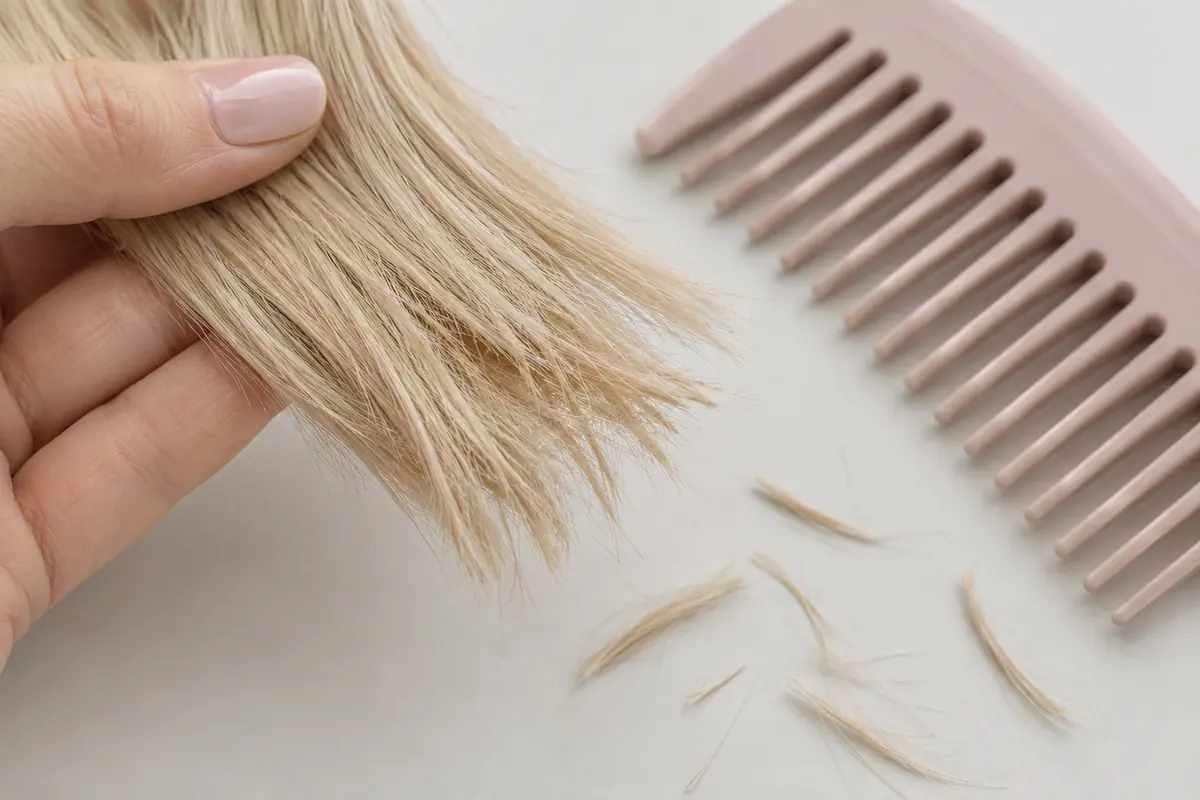
Plan care after bleach damageCheck the pattern and use the guide to choose a scalp-care approach rather than adding more oil.
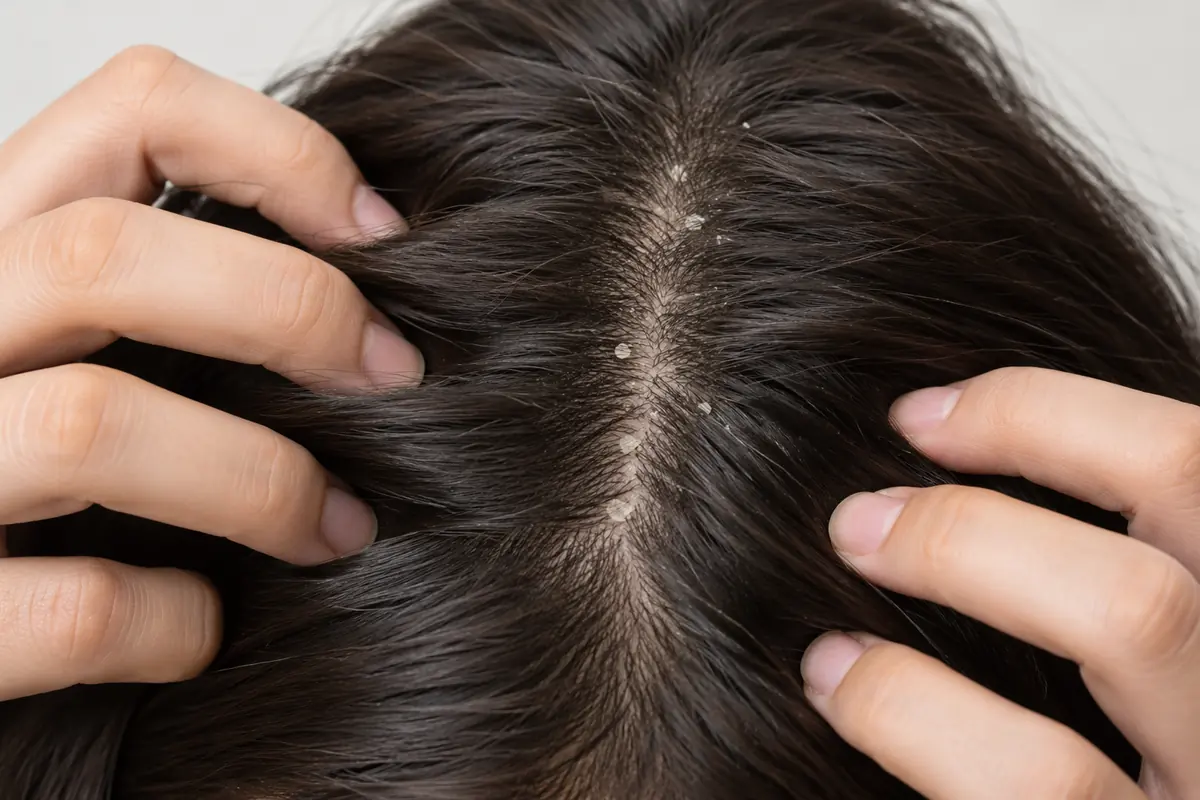
Understand flakes and scalp careTreat the scalp and lengths as two areas with different cleaning and conditioning needs.
Separate your scalp and length routine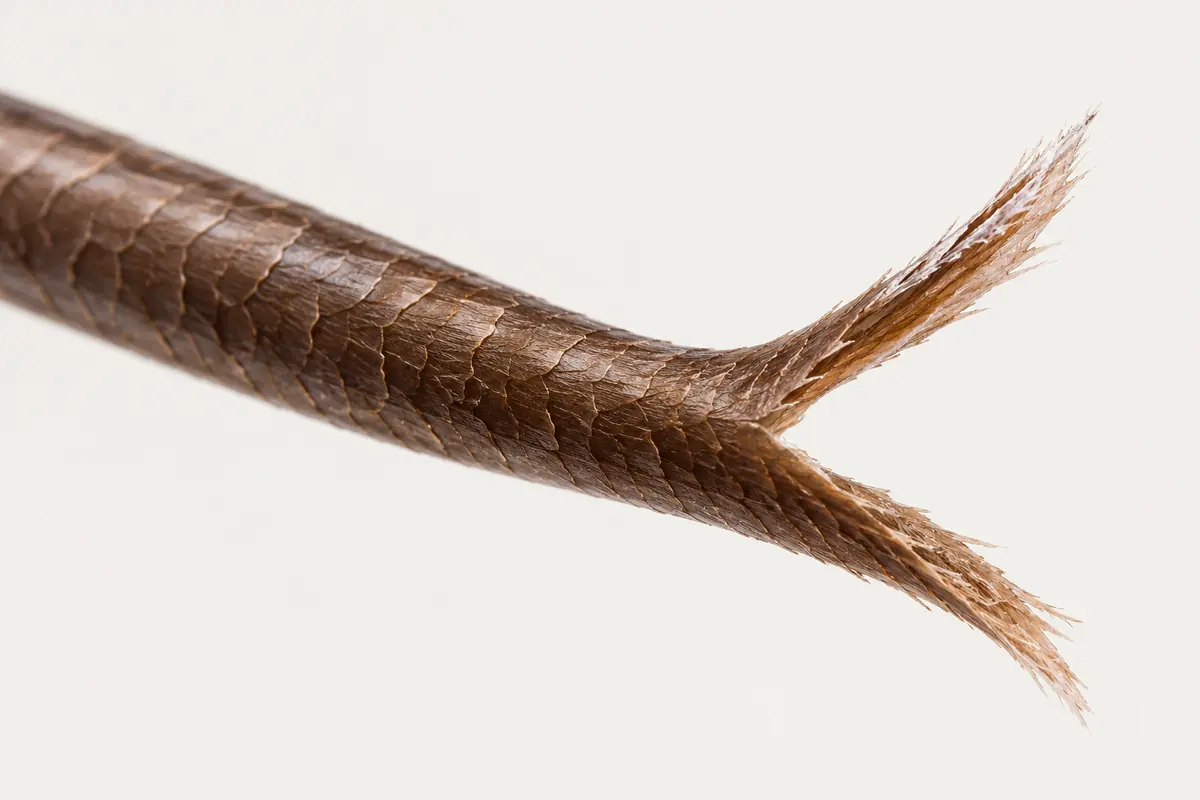 Beauty Intelligence
A serum can improve how ends feel. Removing a split and reducing the next source of wear are different jobs.
 Beauty Intelligence
The first priority is not a perfect blonde. It is stopping avoidable stress and agreeing what the remaining hair can reasonably tolerate.
 Beauty Intelligence
Flake color is not a diagnosis. Match the next action to symptoms and product use rather than treating every flaky scalp with oil.
 Beauty Intelligence
You do not need one product to treat the entire head the same way. Clean the scalp while giving dry lengths less friction and appropriate conditioning.
Beauty IntelligenceMost hair-type quizzes guess. This is the test stylists trained on textured hair actually run, one wash, one air-dry, four observations, and the answer that decides the next decade of your hair routine.
 Beauty Intelligence
Type 2 is the most-misclassified hair type in the world. Half the people who think they have straight hair that 'gets weird in humidity' are wavy and don't know it. Here is the field guide.
 Beauty Intelligence
Type 3 is the most common hair texture across the MENA region and the most misunderstood by mainstream beauty press. Here is the version written for hair like yours, in the climate you actually live in.
 Beauty Intelligence
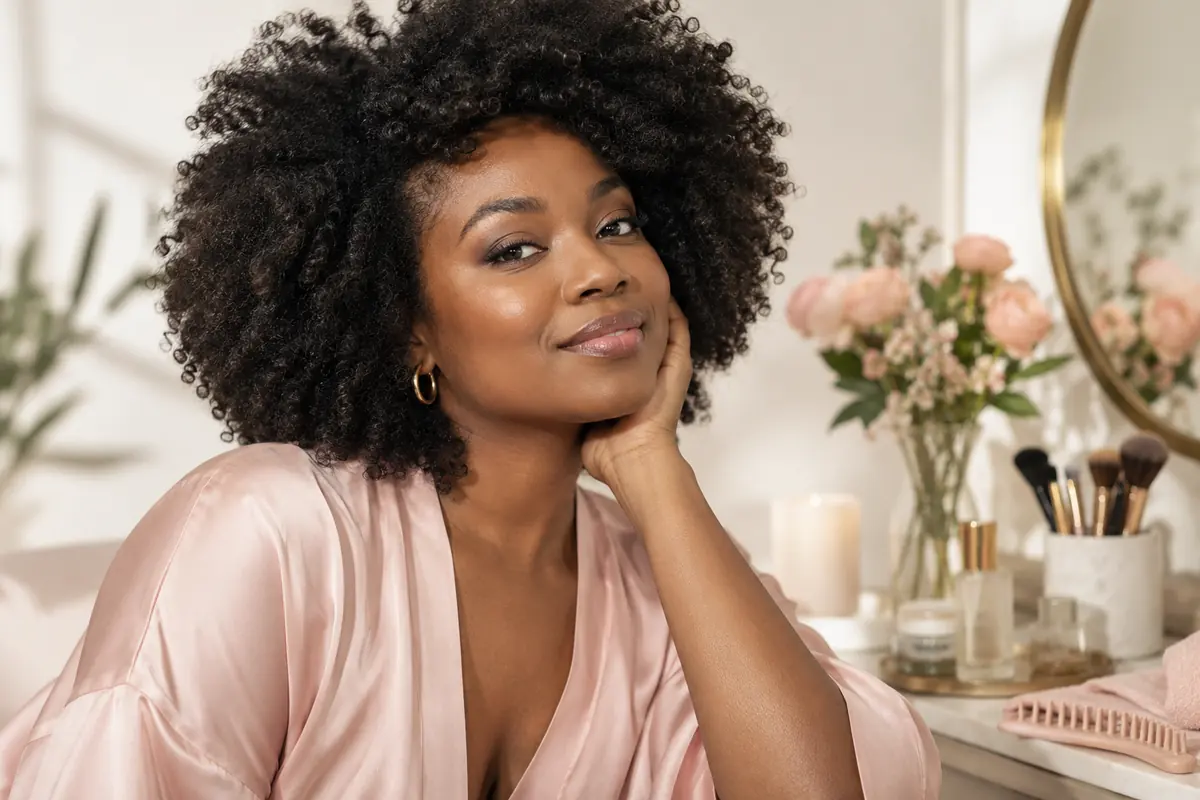
Most coily-hair coverage was written for one audience and one climate. This is the version for the rest of us, the Afro-MENA, East African, Sudanese, Yemeni, and Black diaspora readers who live this texture every day.
 Salon Stories
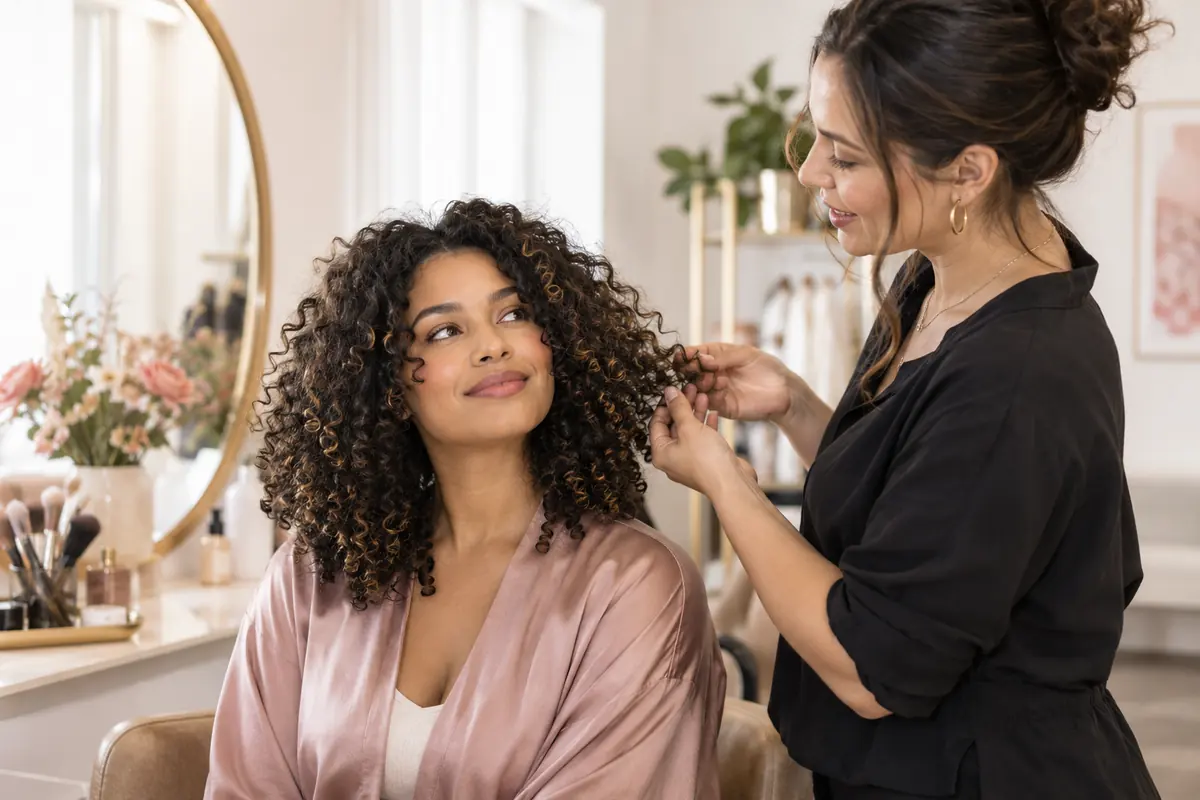
A curly cut is won before the cape goes on. The stylist needs to see the pattern you live with, not the pattern your wash day can temporarily fake.
Beauty IntelligenceHumidity does not ruin hair randomly. It exposes the cut, the cuticle, and the morning routine. Build the plan before summer starts.
 Salon Stories
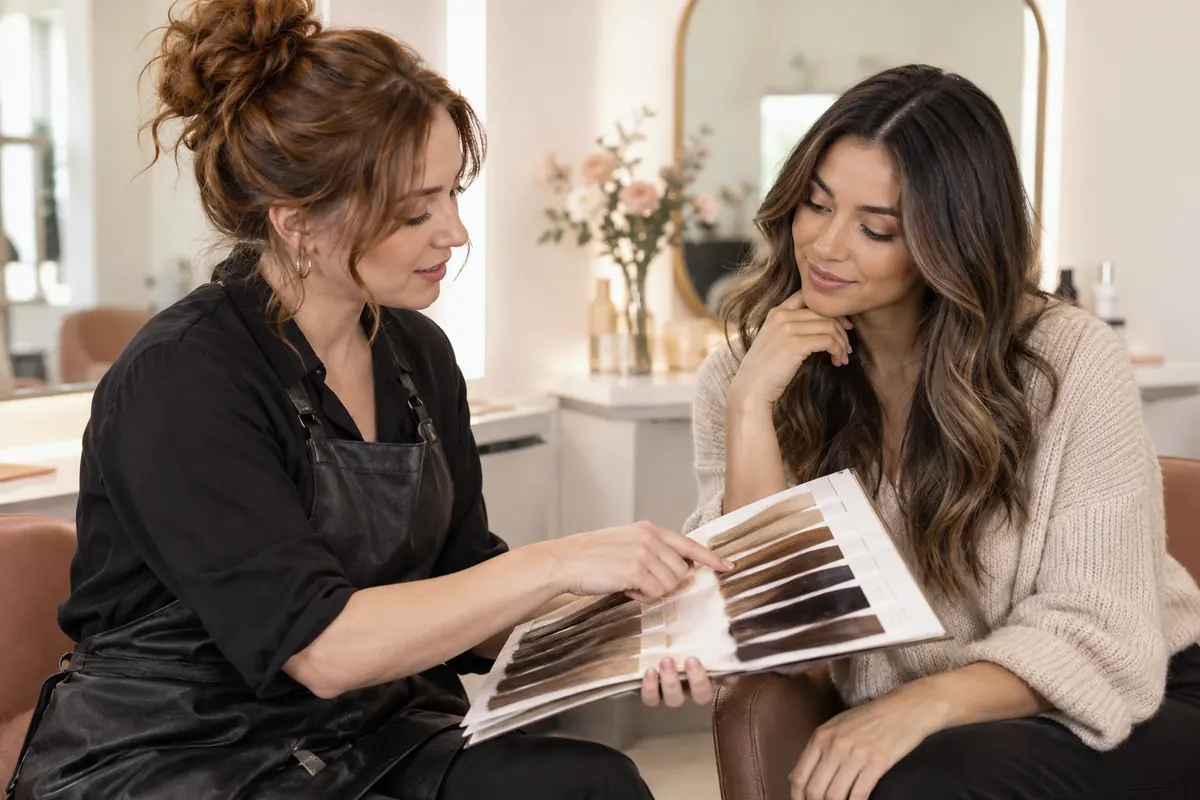
A colour consultation should end with an agreed first-session result, the tests needed, and a price you understand.
,