

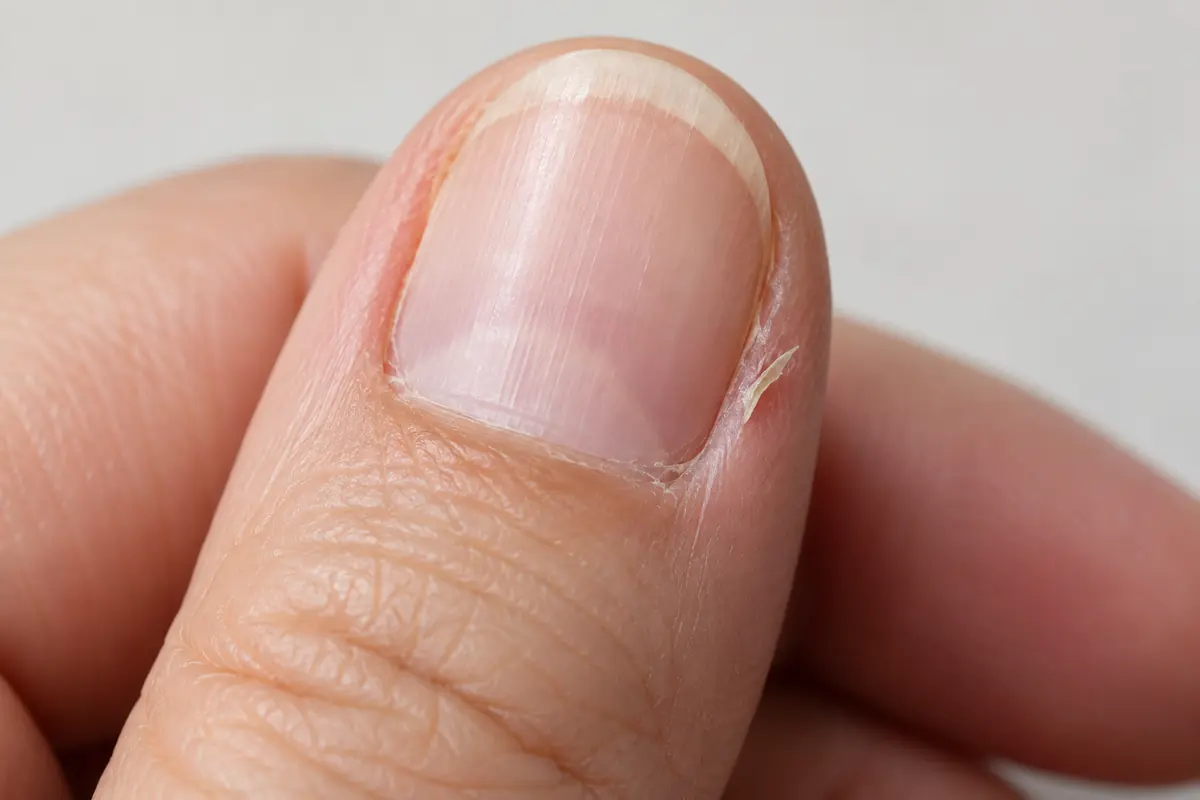
For a skin snag beside a nail, stop pulling or biting it. If there is a clearly loose piece of dead hanging skin, trim only that loose piece with a clean clipper; leave attached skin and the cuticle seal alone. If it hurts, swells, feels warm or produces discharge, the next step is healthcare advice, not a deeper manicure.
You do not need a perfectly bare border around every nail. The goal is comfortable skin that does not keep tearing or catching. The nail-care hub helps separate this skin problem from peeling nail layers, lifting gel and colour changes.
Know which part you are touching
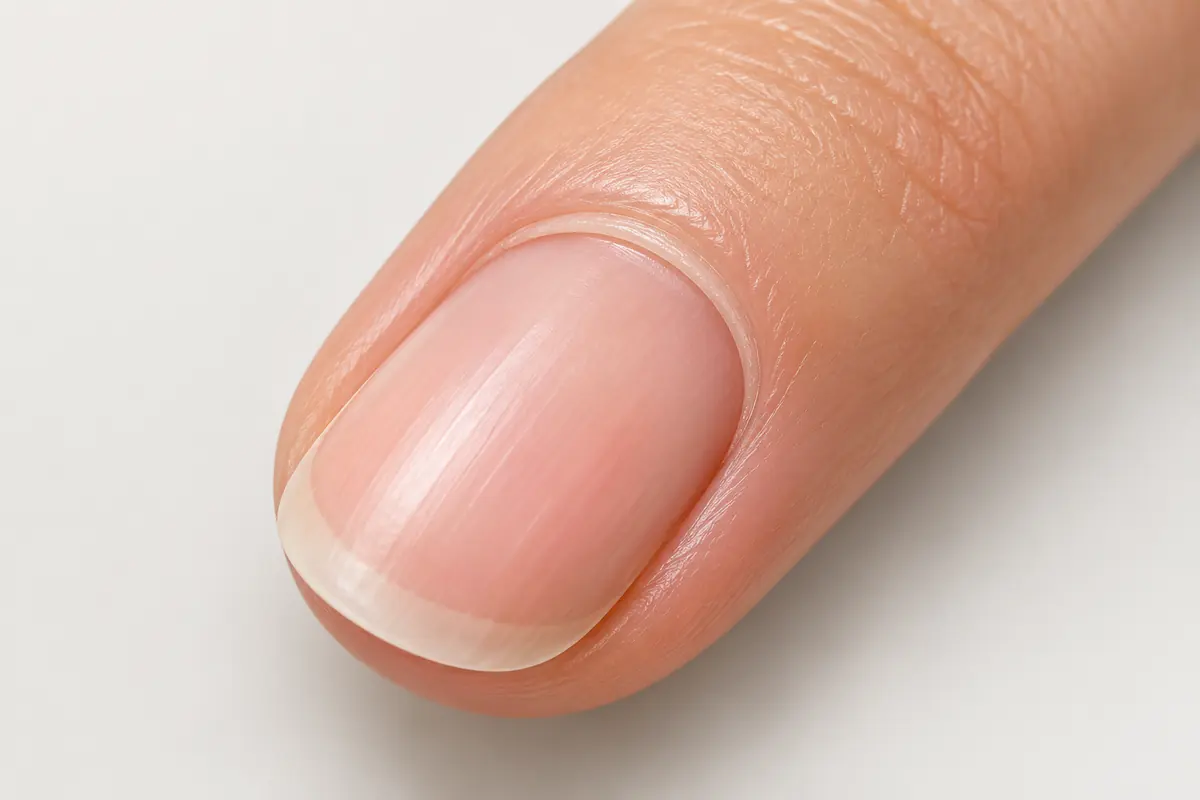
People use “cuticle” for several areas around the nail. The proximal nail fold is living skin; the thin cuticle is a keratin barrier joining that fold to the nail plate. Preserve both without cutting or forceful pushing. DermNet nail terminology. A hangnail is a little skin snag, often at the side. You do not need to memorize anatomical terms, but you do need to distinguish an unattached flap from skin that still forms part of the finger.
Look without pulling it taut. If you cannot identify a clearly loose dead piece, leave it alone. If cutting would hurt, draw blood or require digging into a groove, it is outside the simple tidying described here. Do not use a pointed tool to separate a flap that is still attached.
Cuticles help protect the nail area from infection; the AAD advises avoiding cuticle trimming during artificial-nail services. AAD artificial-nail guidance.
Choose the action from the condition of the skin
| What you notice | Useful action | Stop doing |
|---|---|---|
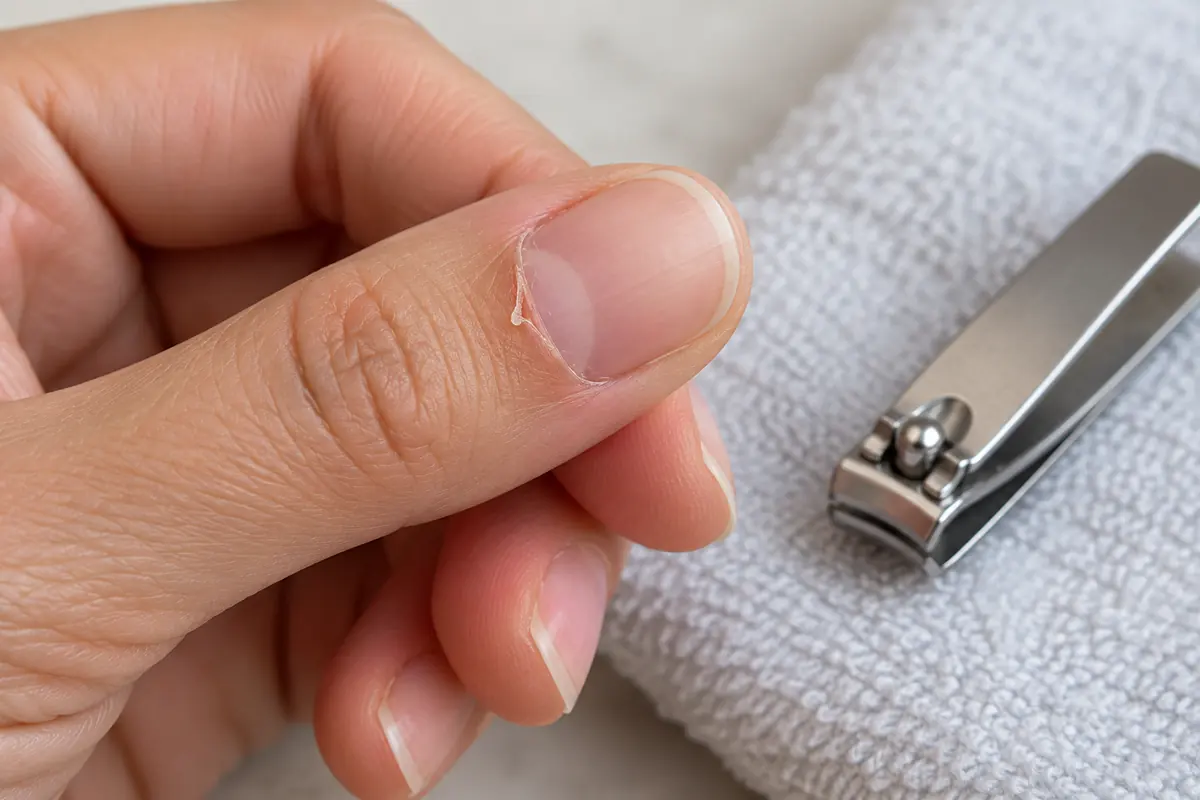
| Clearly loose dry flap, no soreness | Trim only the loose dead hanging piece with a clean clipper | Pulling it toward the nail base |
| Dry rough skin that remains attached | Moisturize and reduce friction or wet work | Cutting away the whole rough border |
| Tender, warm or swollen nail fold | Arrange healthcare advice | Cutting, squeezing or salon treatment |
| Blisters or rash after a nail product | Keep product details and seek assessment | Trying a new gel or oil to “cancel” the reaction |
| Frequent tearing despite gentler care | Review habits and discuss persistent symptoms with a clinician | Repeatedly cutting deeper to keep it neat |
If the rough part is actually the nail plate peeling at the tip, read brittle and peeling nails. A cream routine and a file serve different jobs; filing skin or clipping attached nail-area skin is not a substitute for understanding the snag.
Tidy a loose snag conservatively
Wash and dry your hands. Use a personal clipper that is clean and in good condition. Trim only the piece already hanging loose, without pressing blades into attached living skin. Do not cut around the nail base in a continuous arc. Do not keep trimming because one side looks less symmetrical than the other.
If the snag is too close to attached tissue for you to trim confidently, stop. It is better to leave a small piece alone than to turn it into an open tear. Avoid catching it on fabric where possible and arrange advice if it is painful or recurrent.
Do not bite it off. Your teeth are not a precision tool, and pulling often extends the tear. Keep clippers somewhere accessible so an irritating snag during work does not become an impulsive pulling habit. Clean personal tools after use and do not share them casually. The CDC recommends clipping a hangnail with a clean tool rather than ripping or biting it. CDC nail hygiene.
Build a hand-care routine around washing
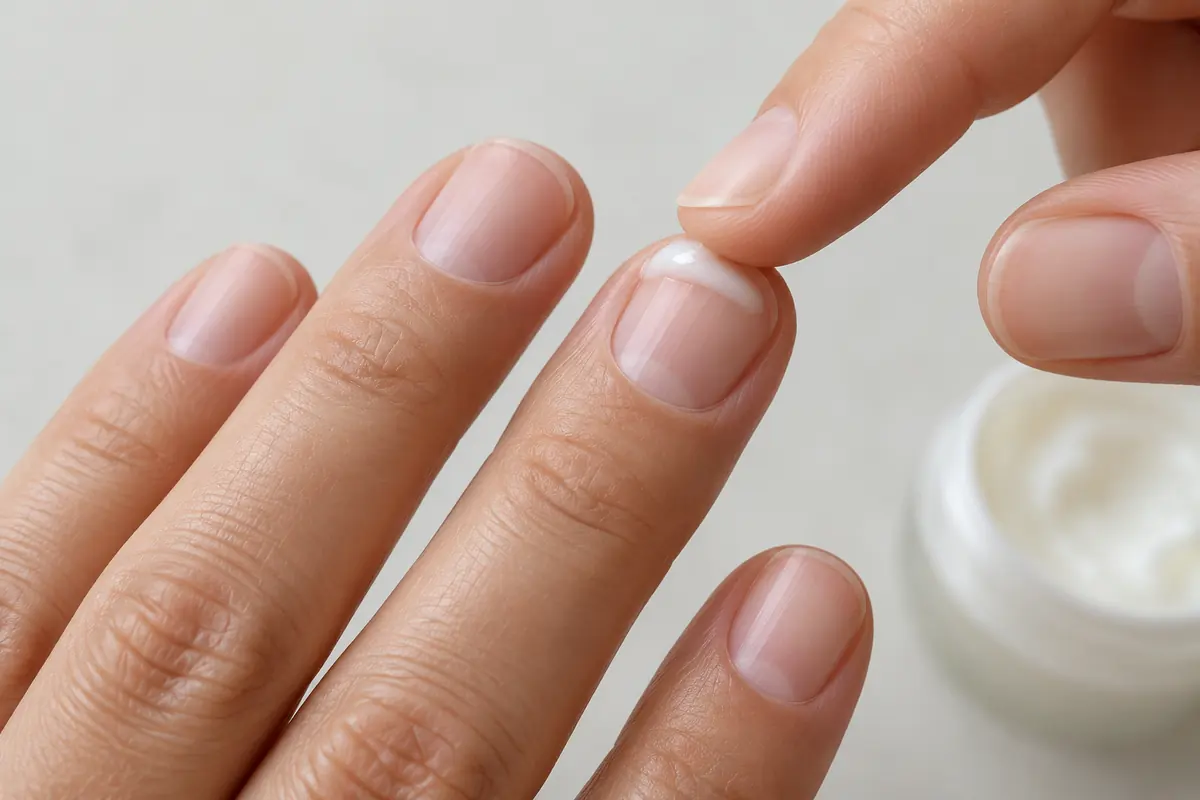
Continue necessary hygiene. Dry hands thoroughly, including around the fingers, then apply a moisturizer you tolerate. Make this simple: one product beside the towel, one small container at your desk if useful. You are more likely to repeat a short routine than a long sequence of oil, serum, remover and overnight treatment.
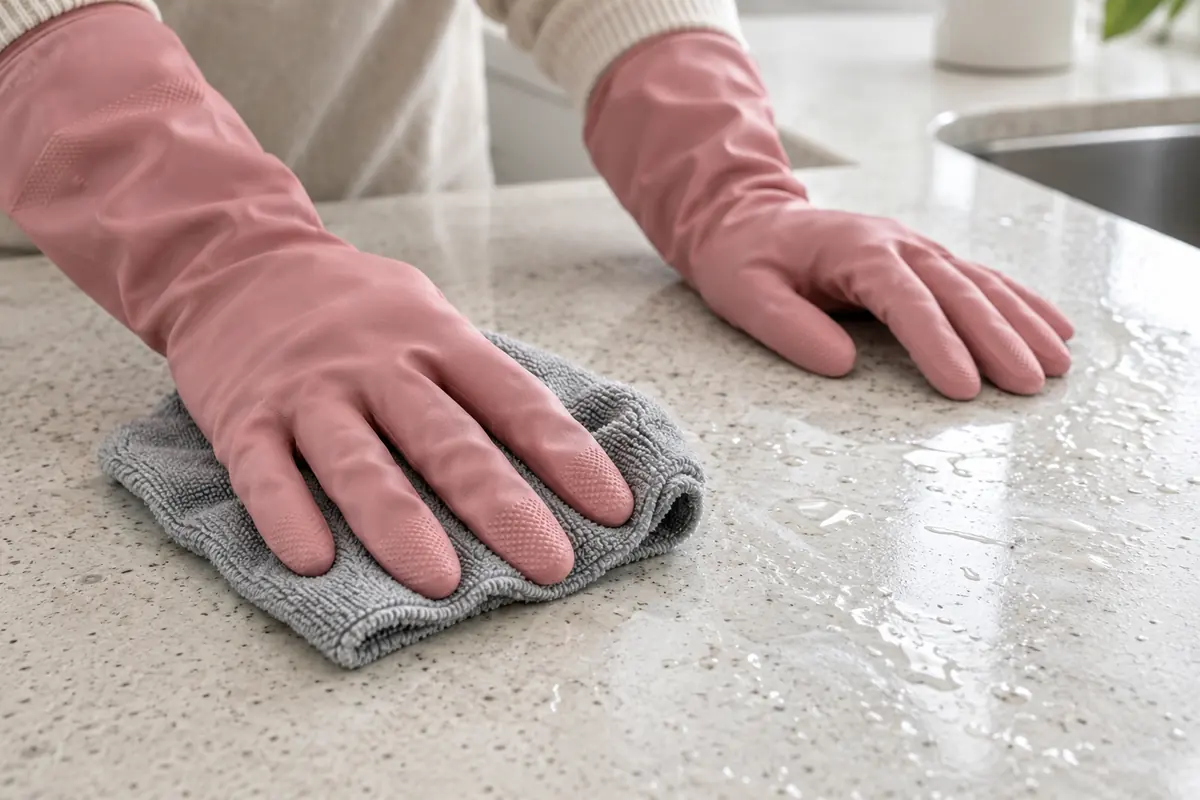
Choose suitable gloves for washing dishes or cleaning and avoid wearing wet interiors for long tasks. If gloves themselves cause a reaction, discuss suitable alternatives. Do not use a glove designed for household water protection as proof that uncured gel chemicals cannot reach the skin; nail-product handling requires the product’s specific safety instructions.
If moisturizer stings persistently or a new rash appears, stop using that product and write down its name. Do not interpret burning as a sign that a concentrated treatment is working. A special cuticle oil is a cosmetic option for someone who tolerates it; it is not essential and it is not an infection treatment.
Reduce the habit that keeps restarting the tear
Notice when you pull at skin: during video calls, while reading, at traffic lights or before bed. Put an alternative object or a tolerated hand cream at that location. If you catch yourself inspecting every nail for something to remove, change the activity rather than making the inspection more precise.
Keep a fine file for a nail-edge catch so you do not use the skin as an anchor while pulling a broken corner. Nails after gel removal explains how to protect a rough natural surface without more scraping. A recurrent snag may have a practical trigger such as frequent water exposure or picking, but do not assume that every sore nail fold has the same cause.
Write one manageable rule: “I will not pull attached skin; I will stop if tidying hurts.” That is more useful than a promise to have perfect cuticles by a certain date. The appearance goal can wait while you preserve comfort.
Recognize when this is no longer ordinary hand care
A painful, red, swollen nail fold can be paronychia; it may require medical assessment. DermNet paronychia overview. Warmth, discharge, worsening pain, blisters or spreading redness should change your next action.
Do not squeeze pus, pierce a blister, drain a pocket or cut into the swollen rim. Do not ask a nail technician to “clean it out.” Fever, rapidly spreading change or feeling unwell warrants urgent advice. If you have diabetes, reduced circulation or an immune condition, seek advice early for a nail-area problem rather than waiting through repeated salon fixes.
Persistent itchy skin after gel or another nail product needs a product history and healthcare review. Gel polish lifting includes useful questions about product systems and curing. It is not safe to conclude that a rash is only dryness from remover and continue exposing it to the same product.
Avoid remedies that confuse the picture
Skip essential oils, household bleach, vinegar challenges and mixtures presented as universal cures. Irritated skin does not need a stronger sensation to prove that it is improving. Do not apply a chemical cuticle remover onto broken or sore skin or combine several treatments without a reason.
Do not choose a medicated product from an online photograph. Different causes require different decisions, and a beauty article should not prescribe antibiotics, antifungals or other treatments for an unseen finger. Ask a healthcare professional what is appropriate, then follow that plan rather than adding a salon remedy on top.
If the nail itself changes colour, describe that separately. The white-spots guide helps record nail whitening without a calcium or fungus assumption.
Ask for a manicure with an intact skin barrier
Before booking, say: “I get skin snags beside the nails. I want a comfortable short shape and the protective skin left intact. Please do not cut attached living skin around the nail or push instruments into a sore area.” Ask whether the technician can accommodate that request and how tools are cleaned between clients.
Ask what a proposed remover does, where it will be applied and whether it is suitable when skin has recently been sore. Decline a service if the explanation depends on cutting deeper to achieve a cleaner border. Use how to talk to your stylist to state the constraint and confirm the plan before work starts.
A hypothetical example: a recurring desk-time snag
Imagine Ella notices a dry loose flap and keeps pulling it during calls. It is not painful or swollen. She places a clean clipper and mild cream nearby, trims only the loose dead piece when needed and stops hunting for attached skin to remove. Her aim is fewer tears and comfortable hands.
If the same finger becomes warm, throbbing or swollen, she stops cosmetic tidying and seeks medical advice. This is an example of changing the decision when symptoms change, not a treatment result. No routine can guarantee that every nail fold will be neat or symptom-free by the weekend.
- Leave attached skin and the cuticle seal intact.
- Trim only a clearly loose dead flap, using a clean clipper.
- Dry hands and use a tolerated moisturizer after washing.
- Protect wet work and replace pulling with another habit.
- Record products associated with rash or discomfort.
- Seek advice for pain, warmth, swelling, blisters or discharge.
Mademoizelle is in early access. Use this checklist for care questions and appointment preparation. A style preview or generated illustration cannot determine whether a sore nail fold is infected. The practical outcome is a safer next step and a clear boundary for cosmetic care.
Frequently asked
Should I pull off a hangnail?
No. Pulling can tear attached living skin. If there is a clearly loose dead flap, trim only the hanging piece with a clean clipper without cutting into attached skin. If unsure, leave it alone; pain or swelling calls for medical advice.
Should my manicurist cut my cuticles?
Ask them to leave the protective skin seal around the nail intact. Cutting living skin is different from tidying a loose dead skin snag. A neat manicure does not require removing the whole rim of skin.
What should I put on dry cuticles?
Use a mild moisturizer you tolerate after washing and drying your hands. A special scented cuticle oil is optional, not a cure for inflammation or infection. Stop products that sting or trigger a rash.
How do I know if a hangnail is infected?
Pain, warmth, swelling, discharge or spreading redness can signal a problem that needs healthcare assessment. Do not squeeze, drain or cut it yourself, and do not ask a salon to treat it as routine cuticle care.
Can tea tree oil treat a swollen nail fold?
Do not rely on essential oils to treat a swollen or painful nail fold. They can irritate skin and delay appropriate assessment. Seek medical advice and use only care recommended for your situation.